Living Earth, Gaia hypothesis

The Gaia hypothesis states that the Earth is a biological construction in which living systems play a central role in the distribution and abundance of various elements dispersed in the sea and the atmosphere.
Hence the concern about the loss of biodiversity is documented in the Global Assessment Report on Biological Diversity and Ecosystem Services. The main messages of this report emphasize the importance of nature and its diversity in sustaining human life and the dangerous trend of indicators that show its rapid deterioration.
From a scientific angle, the hypothesis has been the provocation for a broader analysis; it invites us to address complexity to understand global processes. In the transdisciplinary field, the reception of this theory has very important philosophical and ethical connotations, since it allows to articulate bridges between a scientific vision of life and other cultural expressions that, for millennia, have viewed Gaia with respect and reverence; the Pachamama of the Andean people is a good example, or the original cultures that offer the elements air, water, earth, and fire sacred category.
The vision of the Earth as a living being allows us to rethink the position of human beings, the notion of Mother Earth of which the human being is a part and shares with other species in a sense of brotherhood and not the owner of it.
The human activity that characterizes the Anthropocene is endangering the planetary limits to sustain life. Climate change, loss of biodiversity, soil, water and air pollution, deforestation, holes in the ozone layer and alteration of the biogeochemical cycles of the planet are some points that interact with social problems such as inequality, violence, and migration to constitute the current social ecosystem crisis.
The pandemic is an effect and one of the symptoms that makes the complex problem evident. A different look at the nature of life, a reverential attitude to Gaia, would probably allow humanity to seek the harmony and care necessary to forget about excessive and predatory consumption.
Source: nexos.com.mx
Artículos Relacionados

Featured - Conservation - March 5, 2026
Wildfire Prevention: Protecting Forests Before Fire Appears
Wildfire prevention is one of the most effective ways to protect ecosystems, biodiversity, and the communities that depend on forests.

Featured - Biodiversity - February 26, 2026
Camera Traps: Secret Glimpses into Wildlife
Within the Selva Paranaense Vida Nativa project, Nideport works alongside scientific organizations to monitor biodiversity through camera traps and protect wildlife in the Misiones forest.
Featured - Carbon - February 19, 2026
Carbon Credits: Which Projects Should Be Prioritized If We Seek Real Impact
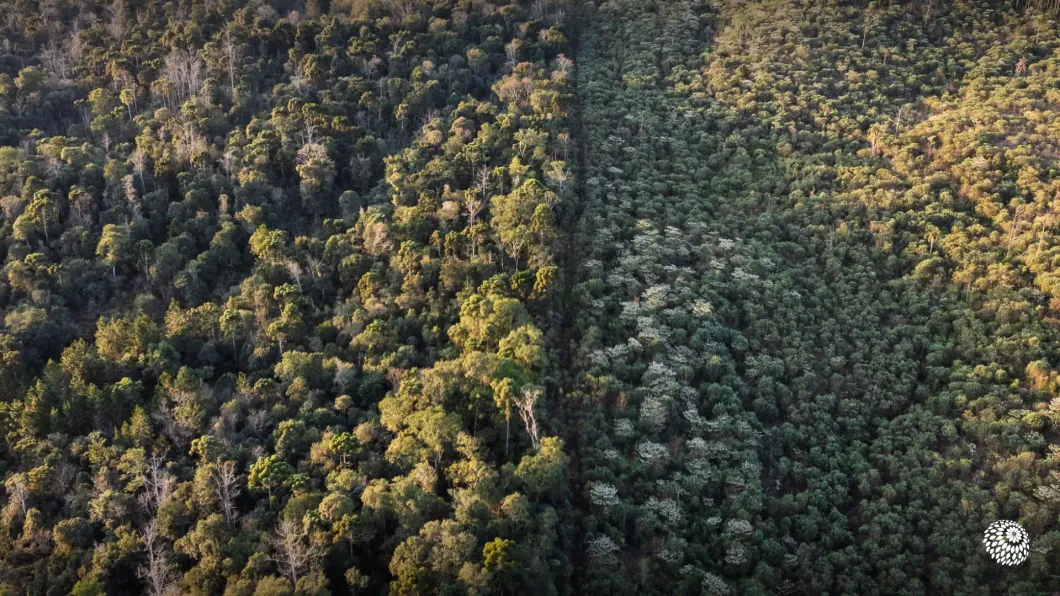
As the carbon credit market consolidates, not all projects deliver the same environmental value. This article explores which project types should be prioritized to achieve real climate and ecological impact.
Certifications - February 12, 2026
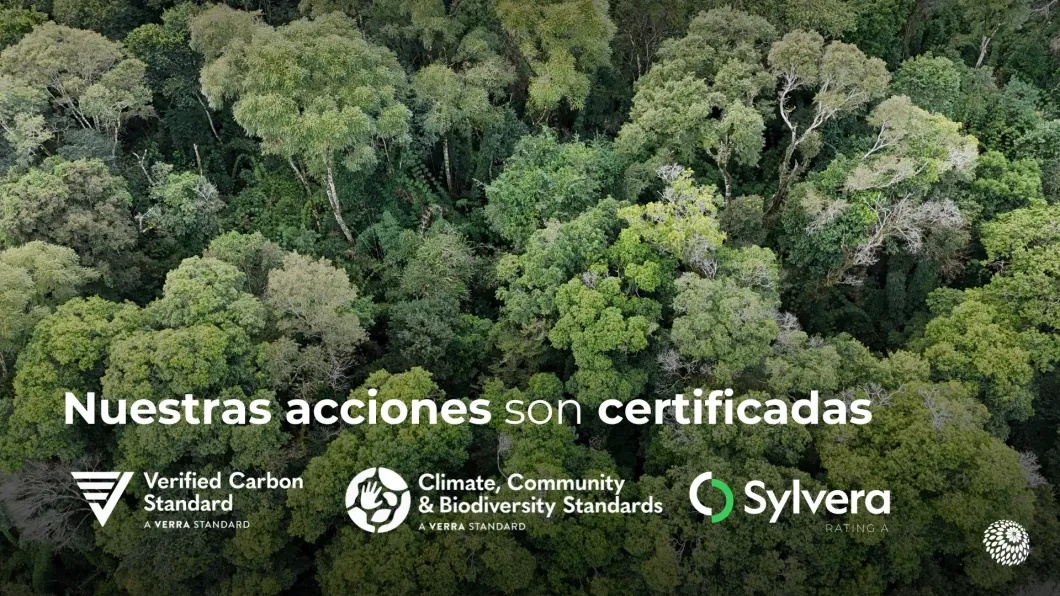
Nideport Achieves CCB Gold Certification and Earns an A Rating from Sylvera for Its Vida Nativa Project
Nideport’s Selva Paranaense Vida Nativa project achieved CCB Gold certification and earned an A Rating from Sylvera, positioning it among the highest-integrity forest projects globally in terms of climate, biodiversity, and social impact.