Restoring Forests Also Means Strengthening Communities
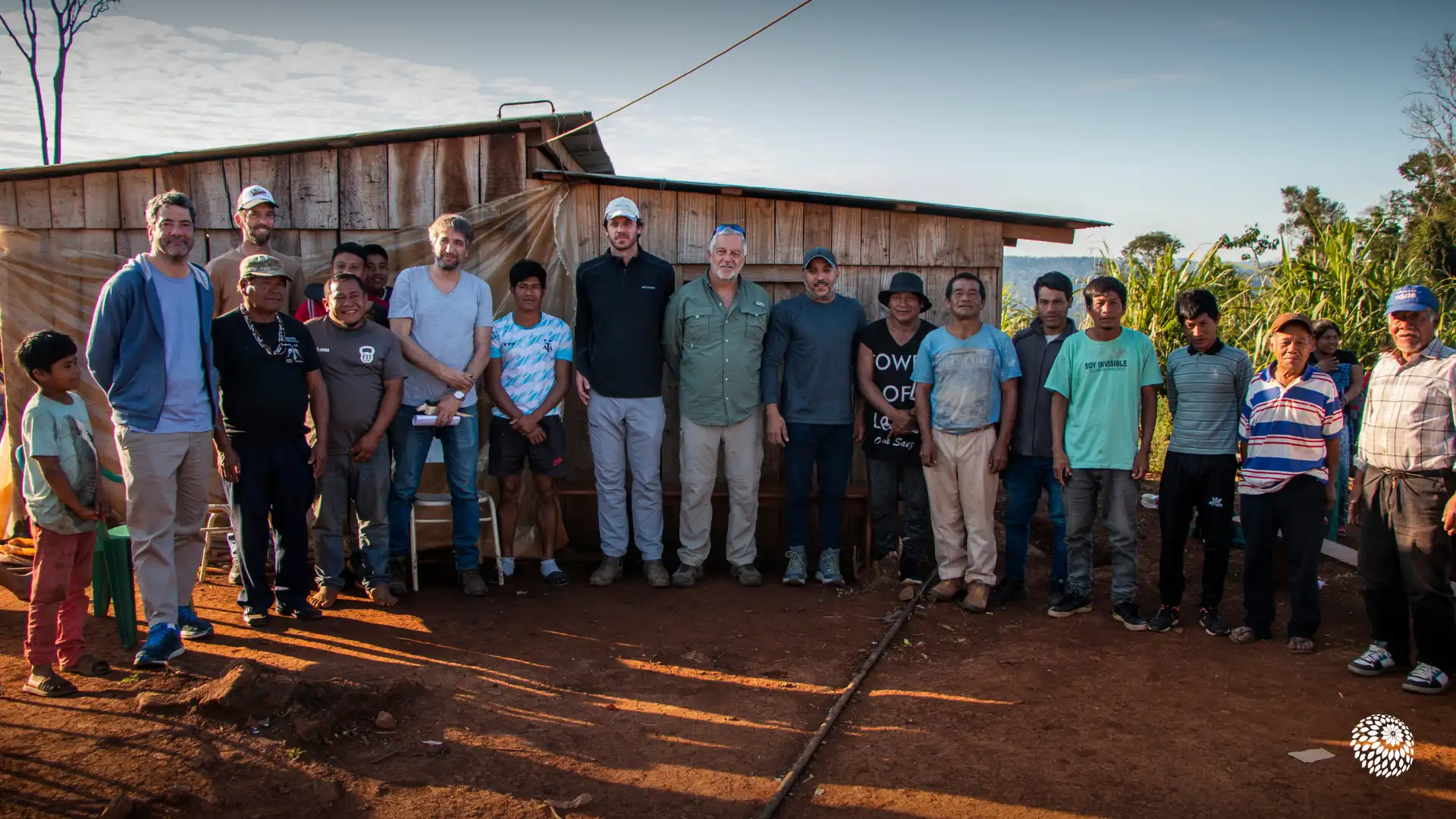
Large-scale ecological restoration is not only an environmental challenge—it is, above all, a deeply human process.
At Nideport, every forest restoration project is built together with the communities that have inhabited and cared for the territory for generations, integrating scientific knowledge, technology, and ancestral wisdom.
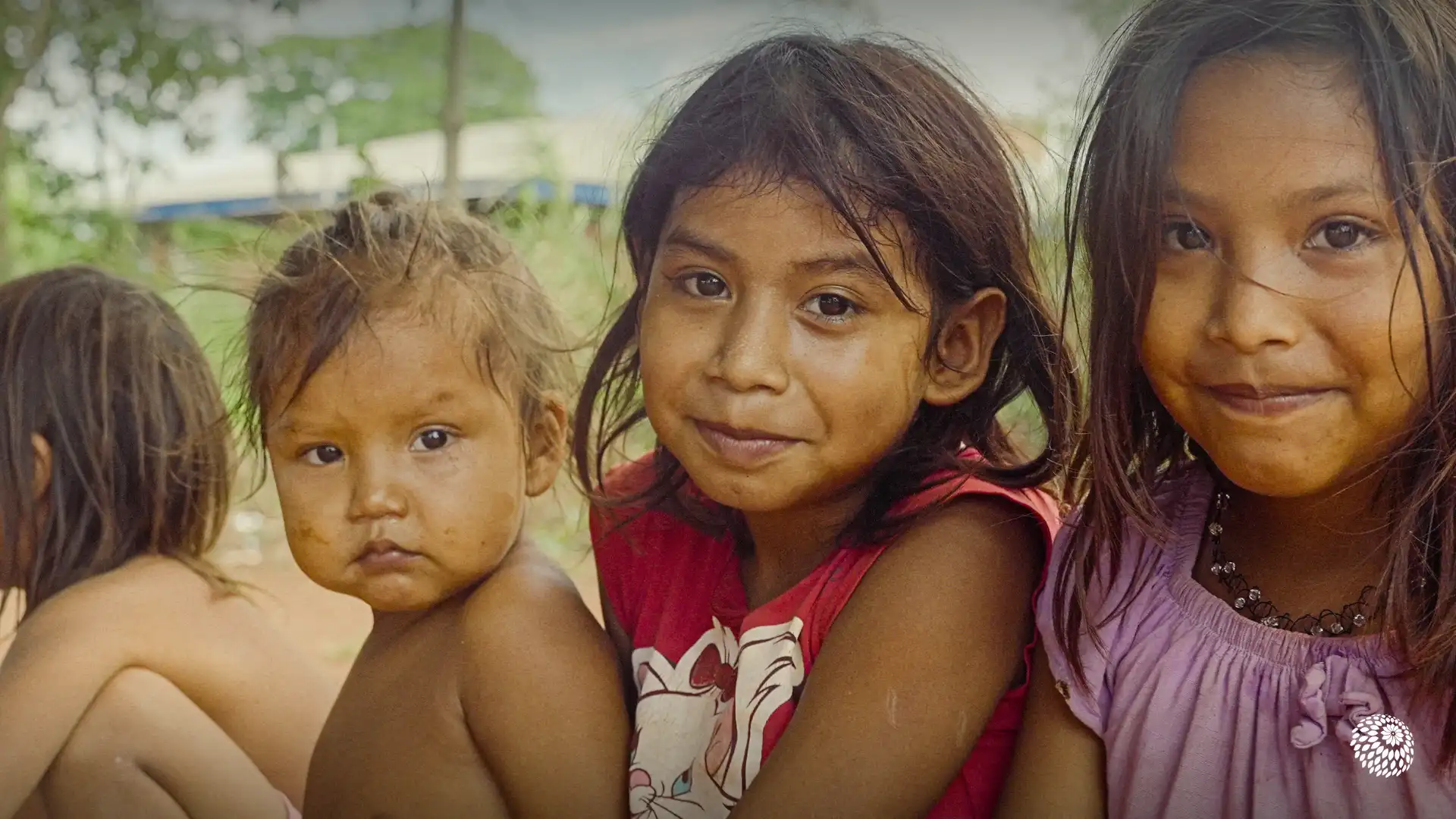
In the Atlantic Forest, one of the most biodiverse and threatened ecosystems on the planet, Nideport works directly and consistently with local and Indigenous communities, particularly with 35 Mbya Guaraní communities. This relationship goes beyond the implementation of an environmental project; it is grounded in collaboration, mutual respect, and shared learning.
Technology and Ancestral Knowledge: A Complementary Approach
While Nideport contributes environmental monitoring technologies—such as artificial intelligence, autonomous drones, IoT sensors, live cameras, photogrammetry, and the georeferencing of each planted tree—communities contribute deep knowledge of the territory, forest cycles, biodiversity, and natural balances that are not always captured by formal science.
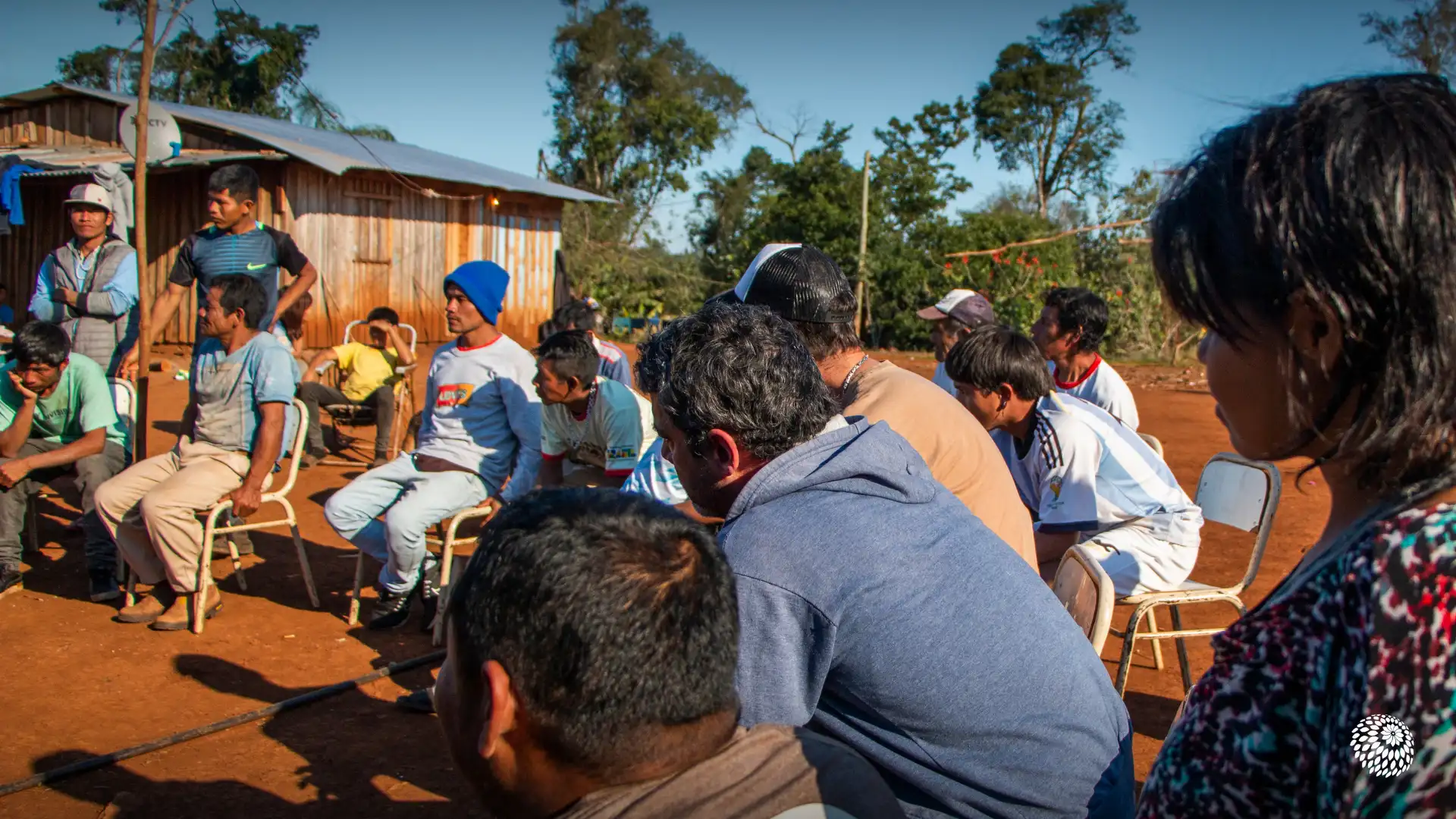
This exchange enables the design of more effective restoration strategies, adapted to the local context and guided by a long-term perspective. The forest is not understood through data alone; it is also understood through lived experience, daily observation, and collective memory.
Restoration Is Also Learning
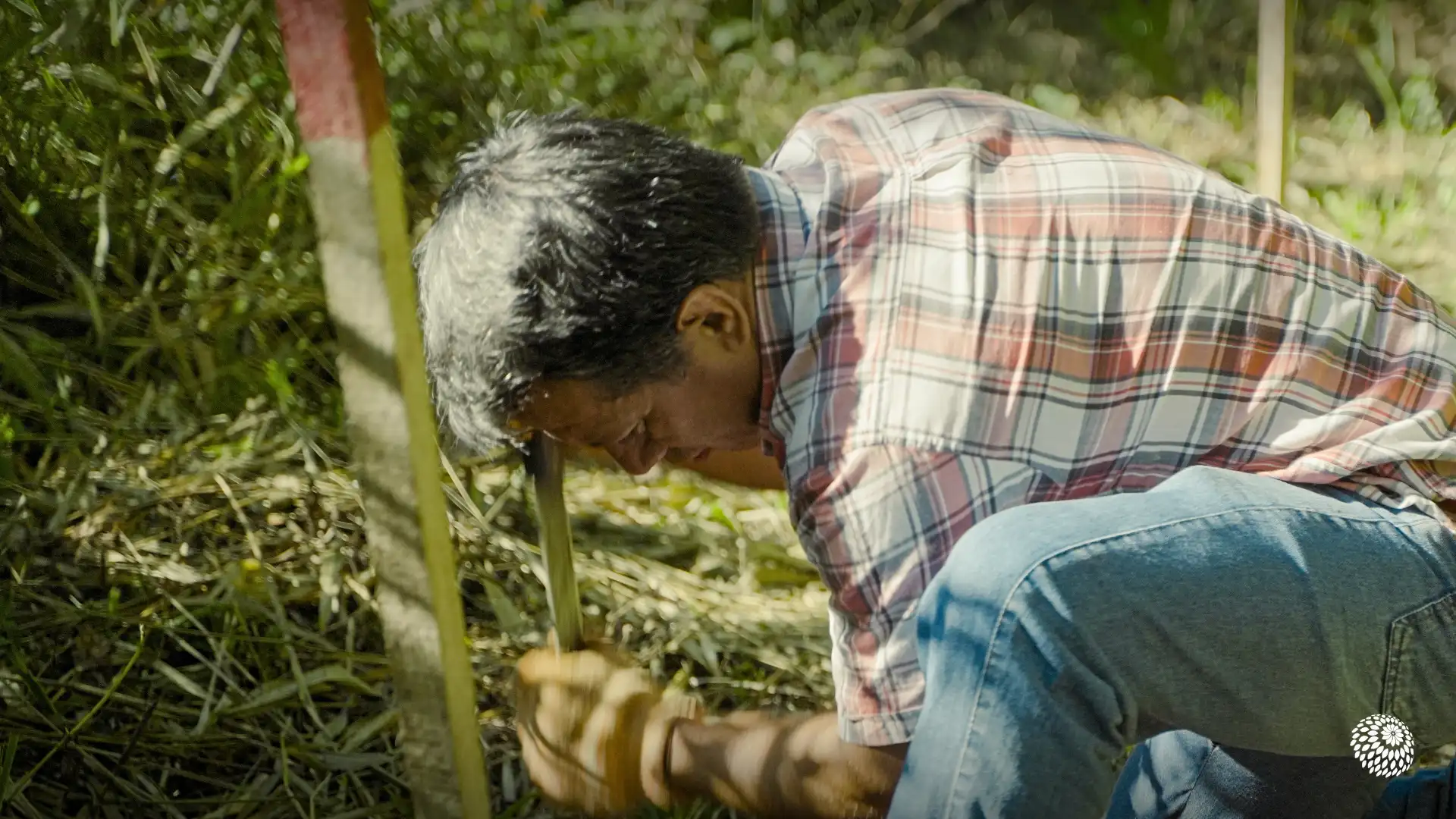
Environmental Education and Community-Based Work
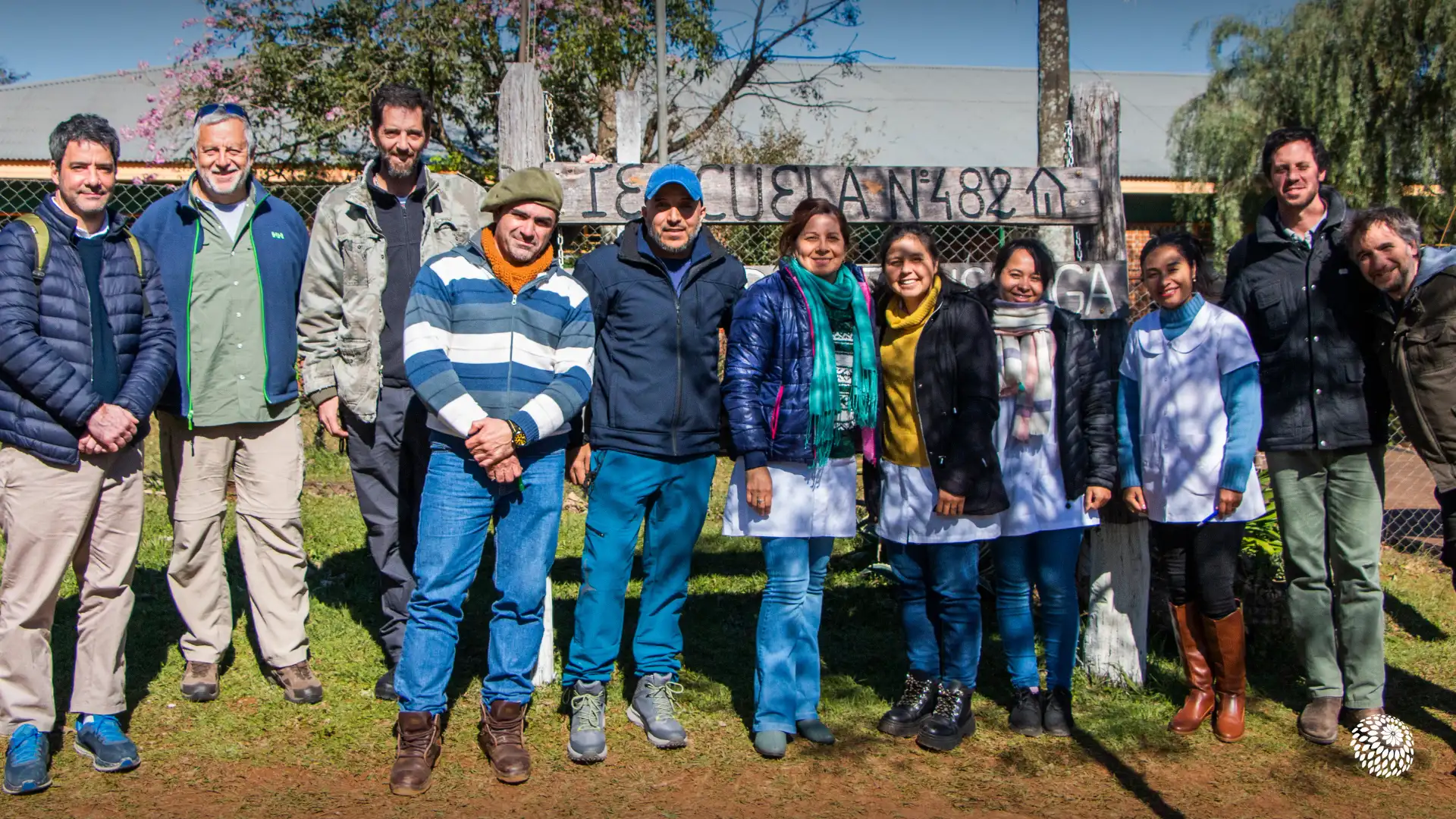
As part of its integrated approach, Nideport promotes environmental education programs in collaboration with rural schools and communities neighboring the project areas. These initiatives include participatory workshops, on-the-ground educational activities, and intergenerational dialogue spaces where children, youth, and adults reflect on forest stewardship, climate change, and the importance of biodiversity conservation.
In addition, specific training programs are developed in forest fire prevention, responsible land management, and safety protocols—strengthening local capacities and fostering a shared culture of territorial care.
Long-Term Social Impact
Nideport’s community-based work also translates into tangible social impacts: local job creation, strengthening of community economies, improvements in basic infrastructure, and support for sustainable productive initiatives. These pillars are part of an integrated development strategy that seeks to ensure environmental restoration goes hand in hand with human well-being.
Within the Selva Paranaense Vida Nativa Project, certified under the international Verra VCS and CCB Gold standards, community impact is a core pillar of the model. Forest restoration is not conceived as an extractive process, but as a collective endeavor with a forward-looking vision.
Restoring the Future, Together
For Nideport, regenerating ecosystems means recognizing that there are no lasting climate solutions without empowered communities. The combination of technology, science, and local knowledge makes it possible to advance toward restoration models that are more just, effective, and sustainable.
In the context of a global climate crisis, working hand in hand with communities demonstrates that it is possible to protect nature while creating opportunities, preserving culture, and building a shared future.
Artículos Relacionados

Featured - Conservation - March 5, 2026
Wildfire Prevention: Protecting Forests Before Fire Appears
Wildfire prevention is one of the most effective ways to protect ecosystems, biodiversity, and the communities that depend on forests.

Featured - Biodiversity - February 26, 2026
Camera Traps: Secret Glimpses into Wildlife
Within the Selva Paranaense Vida Nativa project, Nideport works alongside scientific organizations to monitor biodiversity through camera traps and protect wildlife in the Misiones forest.
Featured - Carbon - February 19, 2026
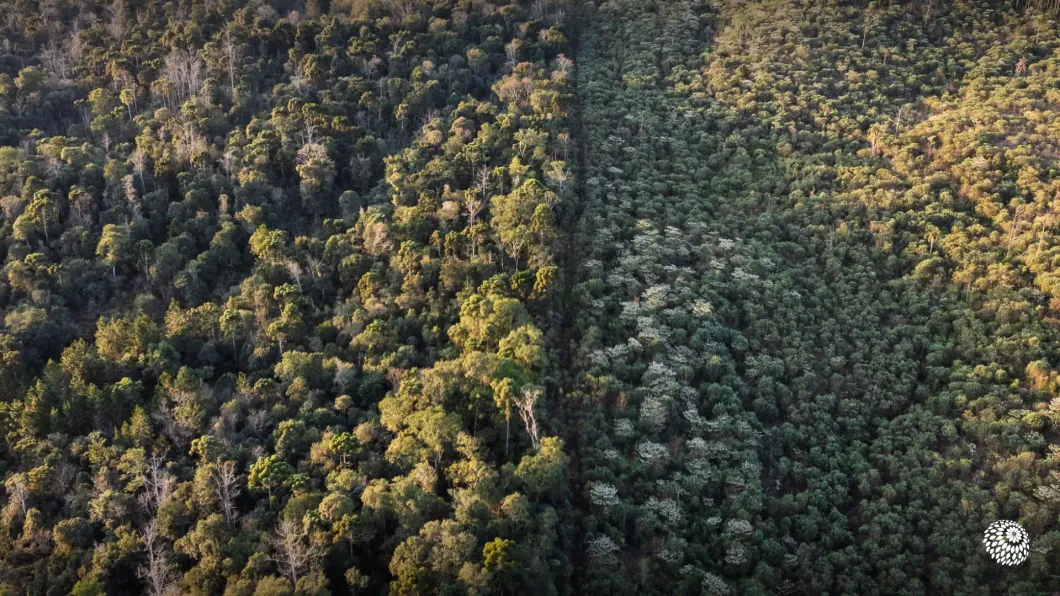
Carbon Credits: Which Projects Should Be Prioritized If We Seek Real Impact
As the carbon credit market consolidates, not all projects deliver the same environmental value. This article explores which project types should be prioritized to achieve real climate and ecological impact.
Certifications - February 12, 2026
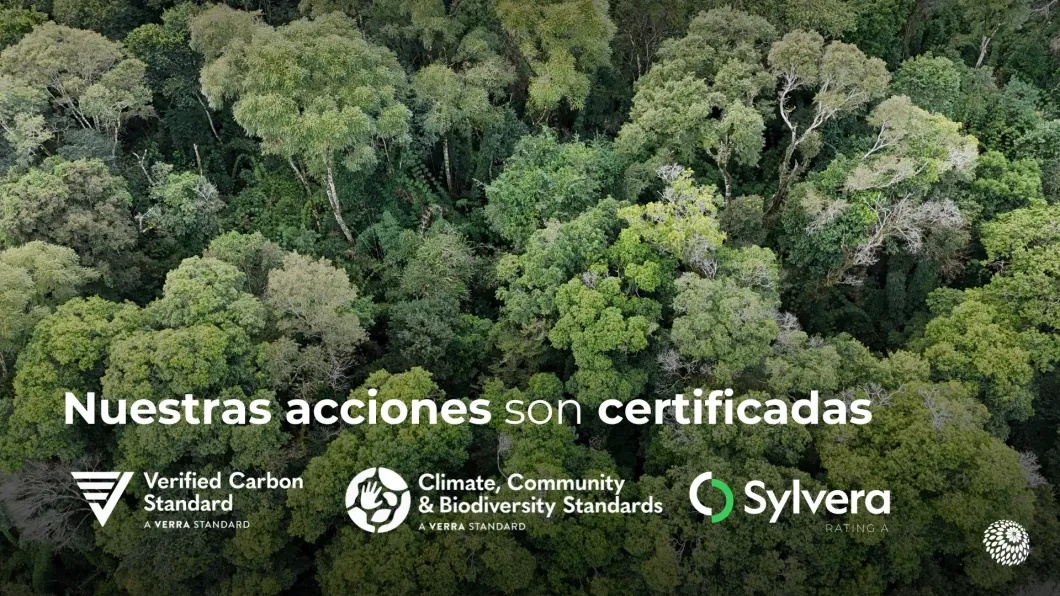
Nideport Achieves CCB Gold Certification and Earns an A Rating from Sylvera for Its Vida Nativa Project
Nideport’s Selva Paranaense Vida Nativa project achieved CCB Gold certification and earned an A Rating from Sylvera, positioning it among the highest-integrity forest projects globally in terms of climate, biodiversity, and social impact.