Carbon Credits: Which Projects Should Be Prioritized If We Seek Real Impact
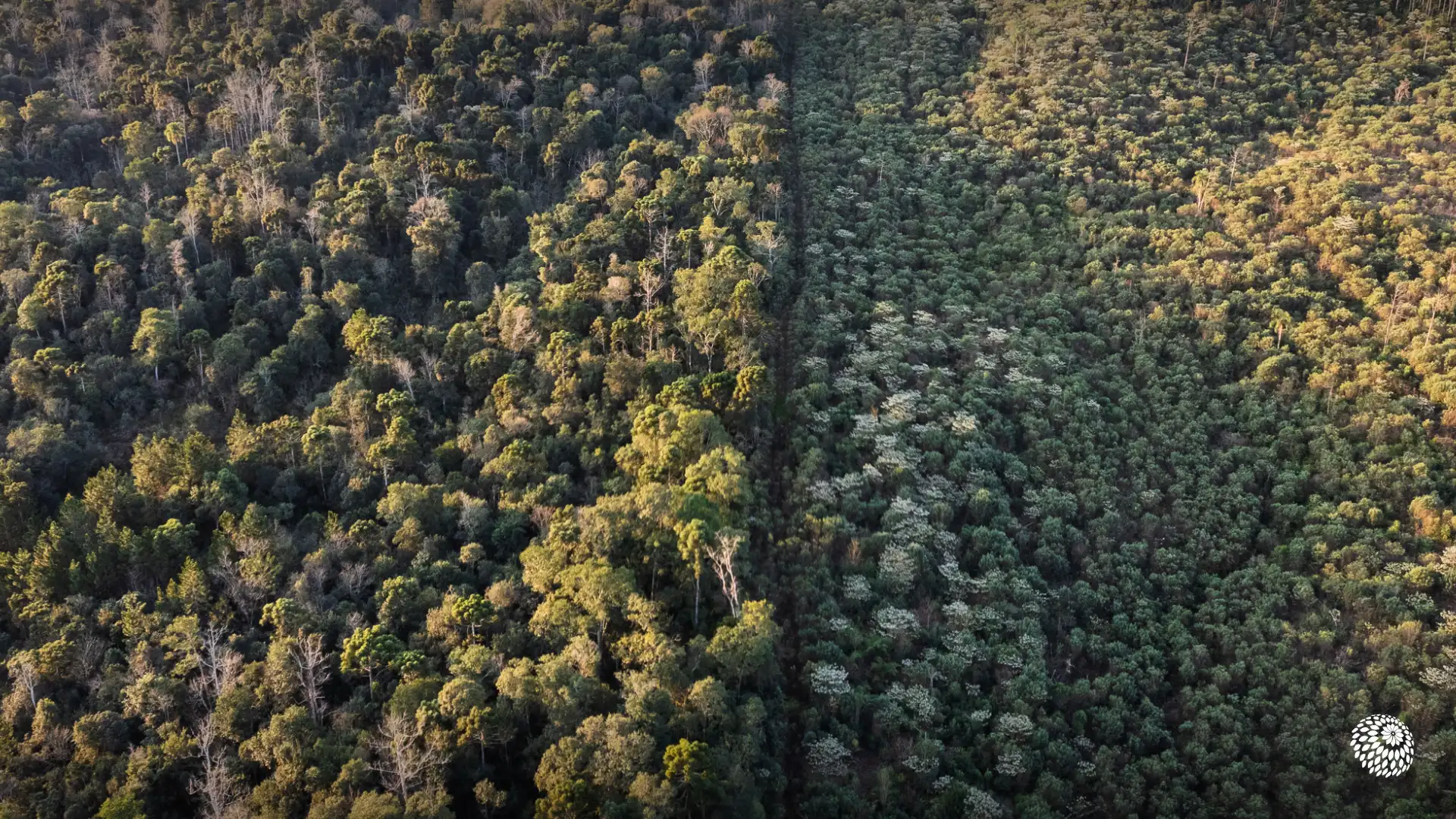
A consolidating market that demands more informed decisions.
The carbon credit market is undergoing a phase of consolidation. As more companies incorporate decarbonization targets into their strategies, the need to distinguish between projects that generate real environmental impact and those that primarily serve reputational or accounting purposes is becoming increasingly important.
Nature-based solutions: not all are the same
Within this context, Nature-Based Solutions (NBS) play a central role. However, grouping them all under a single category can be misleading. Not all projects deliver the same level of climate or ecological impact, nor do they offer the same degree of permanence. For companies seeking high-quality carbon credits, this distinction is critical.
Today, the market is broadly organized around three main project typologies.
REDD+: protecting what still exists
REDD+ projects aim to reduce emissions by avoiding deforestation and degradation of existing forests. They are urgent and necessary, particularly in regions under intense environmental pressure.
Their contribution, however, is limited to avoiding future emissions: they do not capture additional carbon dioxide, but rather prevent its release. In impact terms, they protect what still exists, but do not regenerate degraded ecosystems. They are nonetheless essential, as they safeguard some of the planet’s largest genetic reservoirs.
ARR: regenerating from scratch with a long-term perspective
Afforestation, reforestation, and revegetation (ARR) projects seek to establish new forests in previously deforested areas. Their appeal lies in a clear and intuitive narrative, ease of monitoring, and high carbon sequestration potential.
However, they also present significant ecological challenges. Recreated ecosystems rarely reach the complexity, biodiversity, and resilience of native forests, introducing higher risks in terms of permanence and real impact. While these projects hold promise, meaningful conclusions will only be possible in 20–40 years.
IFM: immediate impact and high ecological integrity
In contrast, Improved Forest Management (IFM) projects are implemented in highly degraded but still functional ecosystems.
Their key strength is immediate impact: carbon sequestration begins from day one, while degradation is halted and existing biodiversity is protected—often including endemic or endangered species. From both a climate and ecological perspective, these are currently the highest-impact projects available.
The challenge lies elsewhere: their management, monitoring, and traceability are more complex and require greater technological sophistication.
A strategic decision for companies and investors
The carbon market tends to favor standardized, scalable, and easily auditable solutions. This preference raises a critical question:
does it make sense to prioritize projects with lower environmental impact simply because they are easier to measure, understand, and communicate?
If the objective is to generate the highest-quality carbon credits, the order of priorities should be clear:
- IFM, for their ability to restore and conserve complex existing ecosystems.
- REDD+, focused on protecting what has not yet been lost.
- ARR, as a long-term regeneration strategy starting from scratch, with higher associated risks.
Looking ahead, the real challenge is not to adapt nature to our tools, but to develop technologies, methodologies, and standards capable of capturing and verifying the true complexity of the ecosystems we seek to protect. In a market that demands credibility and measurable results, every ton matters—but not all tons generate the same environmental impact or systemic value.
Not all carbon credits are created equal. Real impact makes the difference.
Artículos Relacionados

Featured - Conservation - March 5, 2026
Wildfire Prevention: Protecting Forests Before Fire Appears
Wildfire prevention is one of the most effective ways to protect ecosystems, biodiversity, and the communities that depend on forests.

Featured - Biodiversity - February 26, 2026
Camera Traps: Secret Glimpses into Wildlife
Within the Selva Paranaense Vida Nativa project, Nideport works alongside scientific organizations to monitor biodiversity through camera traps and protect wildlife in the Misiones forest.
Certifications - February 12, 2026
Nideport Achieves CCB Gold Certification and Earns an A Rating from Sylvera for Its Vida Nativa Project
Nideport’s Selva Paranaense Vida Nativa project achieved CCB Gold certification and earned an A Rating from Sylvera, positioning it among the highest-integrity forest projects globally in terms of climate, biodiversity, and social impact.
Communities - February 5, 2026
Harvesting Together: A Partnership That Amplifies Impact in the Forest and Local Communities
We understand ecological restoration as a holistic process that goes beyond planting trees. This partnership with Belleza India strengthens local economies, regenerates relationships, and amplifies environmental and social impact in the forest and surrounding communities.