How does deforestation affect animals?
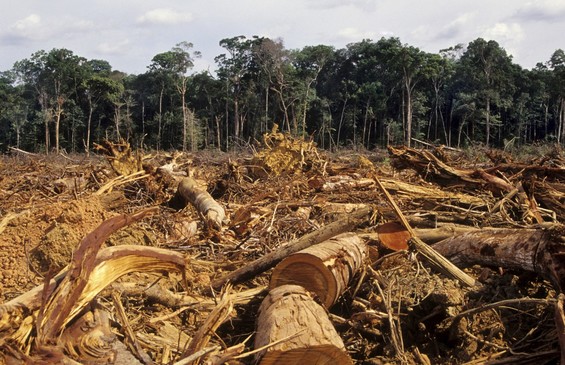
To give you an idea of what deforestation does to animals, I’d like you to see the featured image below. It’s a cleared forest. This is a classic example of Habitat Fragmentation.
The Earth is covered with forests that host a wide and diverse community of plants and organisms. 31% of the Earth is roughly covered with forest and about 80% of the world’s biodiversity is housed in this forest ecosystem.
Deforestation has many detrimental effects on animals.
Habitats are necessary for all animal or plant species to successfully be able to carry out their life cycles (grow and reproduce).
Deforestation unfortunately destroys habitats making it very difficult for animals to live. Forests are a source of food and shelter for animals and, once there are no more forests available to live in, they are at risk of being hunted down, dying out from starvation or not being able to live long enough to reproduce.
Small or fragmented habitats may no longer be suitable to maintain a large population of a particular animal and the small population may have trouble breeding successfully. If breeding does occur, there is a very good chance that the biodiversity will be reduced due to the size of the population in that habitat.
Habitat loss is a serious issue for those animals which solely live in forests.
So, if the forests start to disappear there is an increased likelihood that the species which rely on them will also start to disappear, and eventually become extinct.
Multiple solutions can be made to reduce deforestation such as restrictions, laws and protests. However, a better way would be to protect the native forests by providing your support to Nideport's initiative: Saving your money while protecting 1m2 of land under ecological restoration.
#deforestation #habitatloss #animals #biodiversity #nativeforests
M2E69L207-207R385B323
Artículos Relacionados

Featured - Conservation - March 5, 2026
Wildfire Prevention: Protecting Forests Before Fire Appears
Wildfire prevention is one of the most effective ways to protect ecosystems, biodiversity, and the communities that depend on forests.

Featured - Biodiversity - February 26, 2026
Camera Traps: Secret Glimpses into Wildlife
Within the Selva Paranaense Vida Nativa project, Nideport works alongside scientific organizations to monitor biodiversity through camera traps and protect wildlife in the Misiones forest.
Featured - Carbon - February 19, 2026
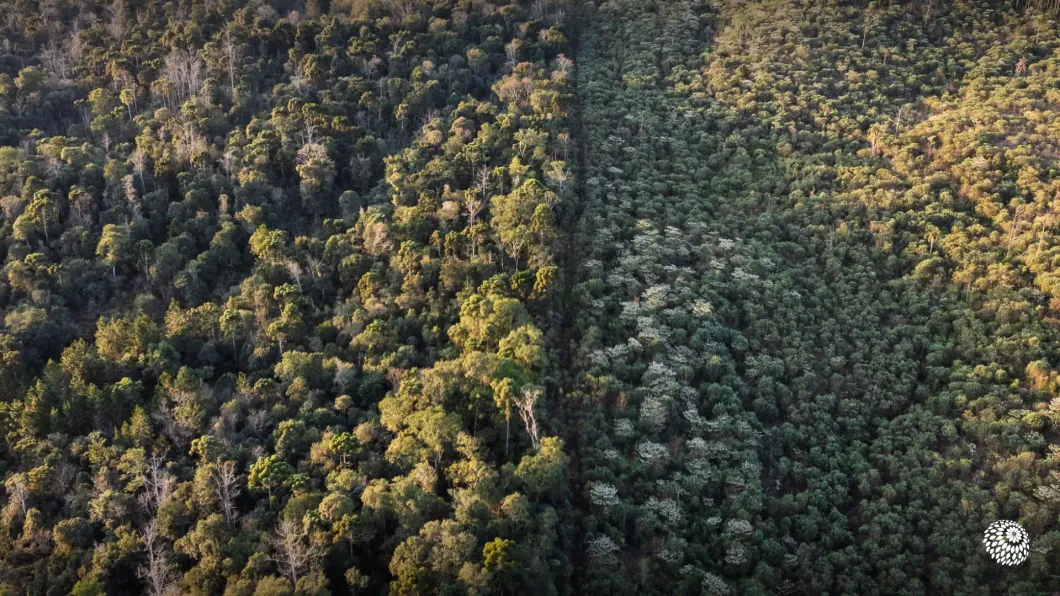
Carbon Credits: Which Projects Should Be Prioritized If We Seek Real Impact
As the carbon credit market consolidates, not all projects deliver the same environmental value. This article explores which project types should be prioritized to achieve real climate and ecological impact.
Certifications - February 12, 2026
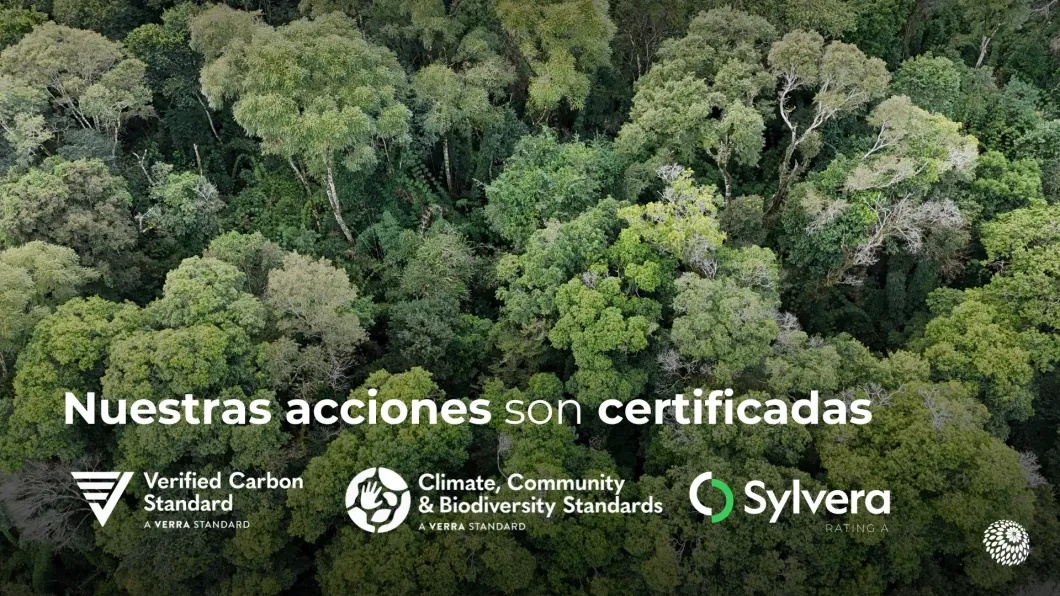
Nideport Achieves CCB Gold Certification and Earns an A Rating from Sylvera for Its Vida Nativa Project
Nideport’s Selva Paranaense Vida Nativa project achieved CCB Gold certification and earned an A Rating from Sylvera, positioning it among the highest-integrity forest projects globally in terms of climate, biodiversity, and social impact.