International Day for Biological Diversity
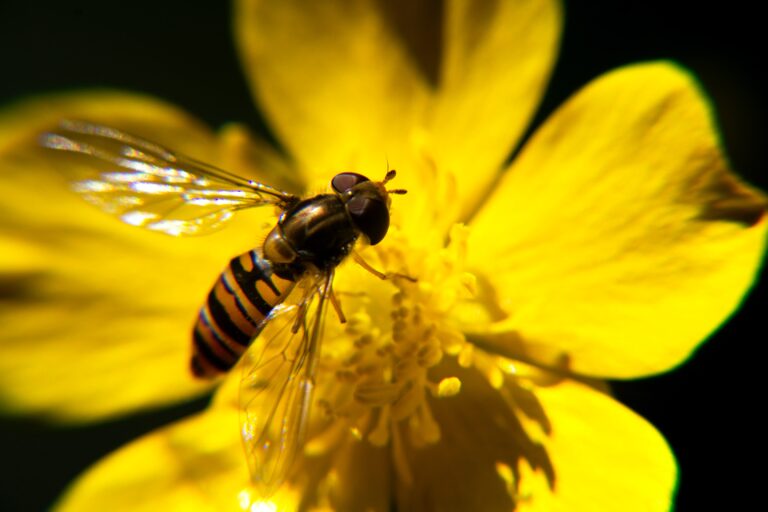
Building a shared future for all life
As the global community is called to re-examine our relationship to the natural world, one thing is certain: despite all our technological advances we are completely dependent on healthy and vibrant ecosystems for our water, food, medicines, clothes, fuel, shelter and energy, just to name a few.
The theme in 2022 is “Building a shared future for all life”. Fitting within the context of the ongoing United Nations Decade on Restoration, which highlights that biodiversity is the answer to several sustainable development challenges, the slogan conveys the message that biodiversity is the foundation upon which we can build back better.
From ecosystem-based approaches to climate and/or nature-based solutions to climate, health issues, food and water security and sustainable livelihoods, biodiversity is the foundation upon which we can build back better. That is the main message from the Convention on Biological Diversity (CBD), key international instrument for sustainable development.
When biodiversity has a problem, humanity has a problem
Biological diversity is often understood in terms of the wide variety of plants, animals and microorganisms, but it also includes genetic differences within each species — for example, between varieties of crops and breeds of livestock — and the variety of ecosystems (lakes, forest, deserts, agricultural landscapes) that host multiple kind of interactions among their members (humans, plants, animals).
Biological diversity resources are the pillars upon which we build civilizations. Fish provide 20 per cent of animal protein to about 3 billion people. Over 80 per cent of the human diet is provided by plants. As many as 80 per cent of people living in rural areas in developing countries rely on traditional plant‐based medicines for basic healthcare.
But loss of biodiversity threatens all, including our health. It has been proven that biodiversity loss could expand zoonoses - diseases transmitted from animals to humans- while, on the other hand, if we keep biodiversity intact, it offers excellent tools to fight against pandemics like those caused by coronaviruses.
While there is a growing recognition that biological diversity is a global asset of tremendous value to future generations, the number of species is being significantly reduced by certain human activities. Given the importance of public education and awareness about this issue, the UN decided to celebrate the International Day for Biological Diversity annually.
Source: (www.cbd.int)
Artículos Relacionados

Featured - Conservation - March 5, 2026
Wildfire Prevention: Protecting Forests Before Fire Appears
Wildfire prevention is one of the most effective ways to protect ecosystems, biodiversity, and the communities that depend on forests.

Featured - Biodiversity - February 26, 2026
Camera Traps: Secret Glimpses into Wildlife
Within the Selva Paranaense Vida Nativa project, Nideport works alongside scientific organizations to monitor biodiversity through camera traps and protect wildlife in the Misiones forest.
Featured - Carbon - February 19, 2026
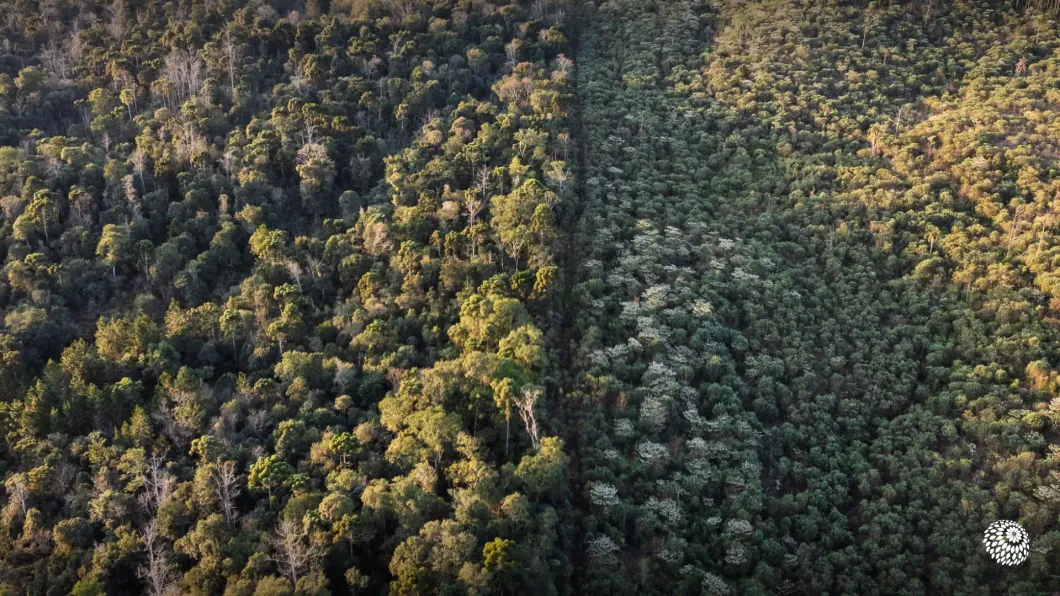
Carbon Credits: Which Projects Should Be Prioritized If We Seek Real Impact
As the carbon credit market consolidates, not all projects deliver the same environmental value. This article explores which project types should be prioritized to achieve real climate and ecological impact.
Certifications - February 12, 2026
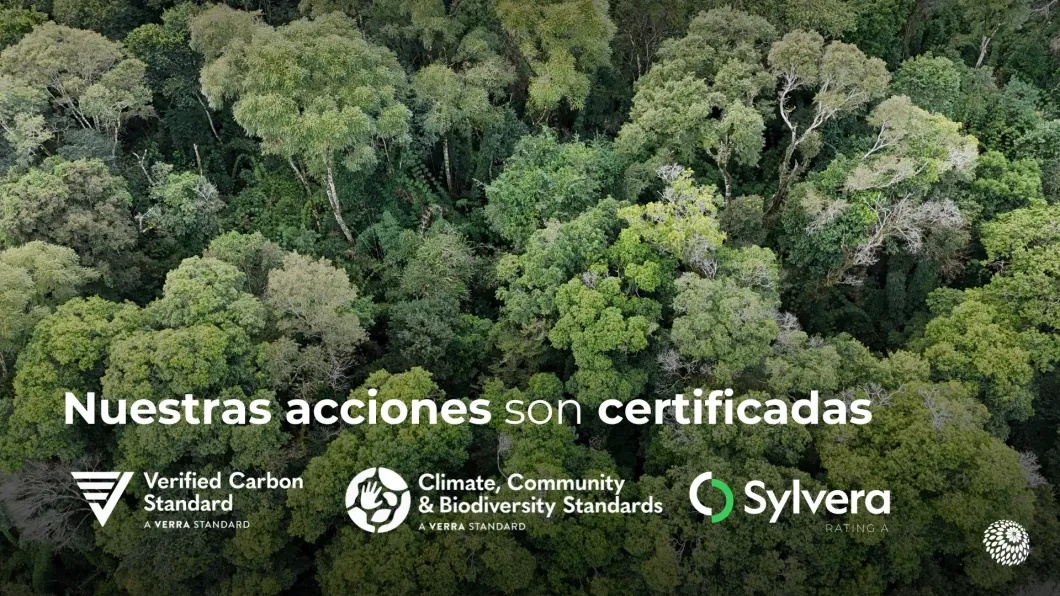
Nideport Achieves CCB Gold Certification and Earns an A Rating from Sylvera for Its Vida Nativa Project
Nideport’s Selva Paranaense Vida Nativa project achieved CCB Gold certification and earned an A Rating from Sylvera, positioning it among the highest-integrity forest projects globally in terms of climate, biodiversity, and social impact.