Biodiversity at the center of development
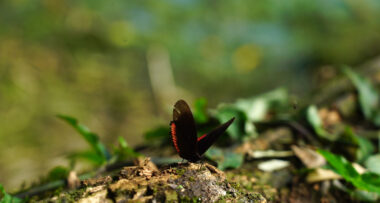
According to the latest scientific evaluations, 1 million species of plants and animals - out of a total of 8 million - have been in danger of extinction for a few decades now. It has also been exposed that deforestation and soil degradation have reached unusual levels.
As a leading funder of biodiversity work, the World Bank works closely with countries to support their efforts to conserve and better manage biodiversity in a sustainable manner.
In 2019, the International Development Association (IDA) supported direct investments in biodiversity of USD 619 million, within a multi-sector portfolio of USD 3.3 billion that includes financing interventions in forestry, agriculture, and sustainable livelihoods.
Regarding policy-related measures, the World Bank works to ensure that countries include the value of natural capital and ecosystem services in their decision-making and planning processes. Through the World Sustainability Program, 18 countries are already using natural capital accounting to support policy decisions, going beyond GDP, and placing natural capital on par with built assets such as infrastructure and financial capital.
The World Bank also works with countries to generate income from biodiversity, either by paying for environmental services that can then help cover the cost of biodiversity management or through sustainable tourism.
Currently, there are private capital projects that look closely at the need to develop sustainable economic structures, both in their core and related activities.
Initiatives such as the Greenbond Meter consortium emerge from this complex context. The main objective of GreenBond Meter - Nideport is to create and implement a technological-ecological financial innovation scheme, inaugurating a new concept: ECO-FINTECH. What is innovative about this concept is that it proposes a new world economy of financial businesses destined entirely to the preservation of Natural Capital.
Following the policies and programs implemented by the World Bank, Nideport claims that the global economy and financial systems cannot be contrary to or distant from the imminent need to recover the value of ecosystems. Therefore, the solution that comes from Nideport is that the economic, financial, and technological systems be an active part of the recovery of the World Green Capital.
Source: worldbank.org
Artículos Relacionados

Featured - Conservation - March 5, 2026
Wildfire Prevention: Protecting Forests Before Fire Appears
Wildfire prevention is one of the most effective ways to protect ecosystems, biodiversity, and the communities that depend on forests.

Featured - Biodiversity - February 26, 2026
Camera Traps: Secret Glimpses into Wildlife
Within the Selva Paranaense Vida Nativa project, Nideport works alongside scientific organizations to monitor biodiversity through camera traps and protect wildlife in the Misiones forest.
Featured - Carbon - February 19, 2026
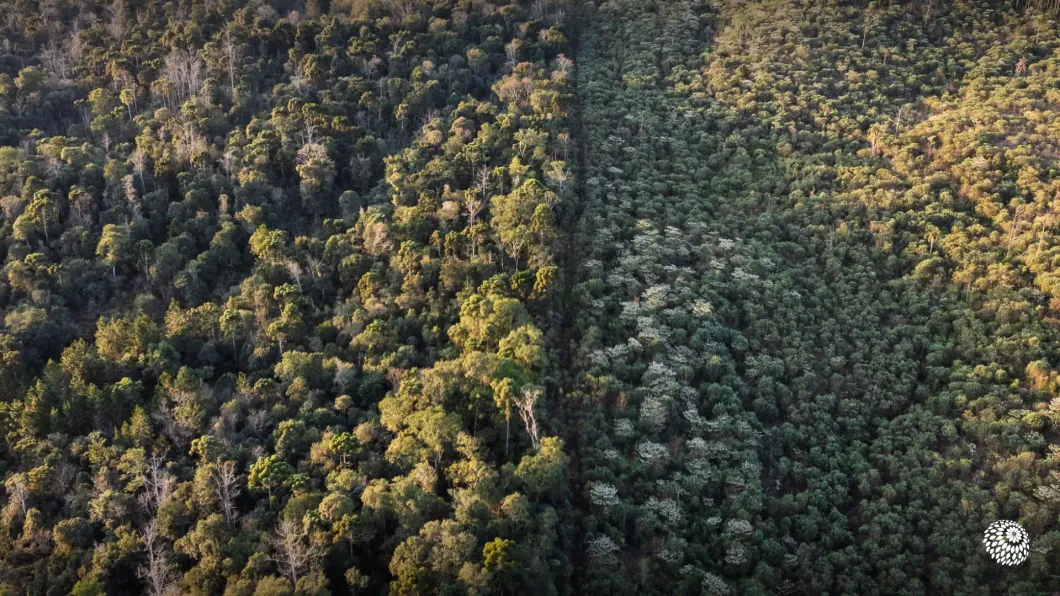
Carbon Credits: Which Projects Should Be Prioritized If We Seek Real Impact
As the carbon credit market consolidates, not all projects deliver the same environmental value. This article explores which project types should be prioritized to achieve real climate and ecological impact.
Certifications - February 12, 2026
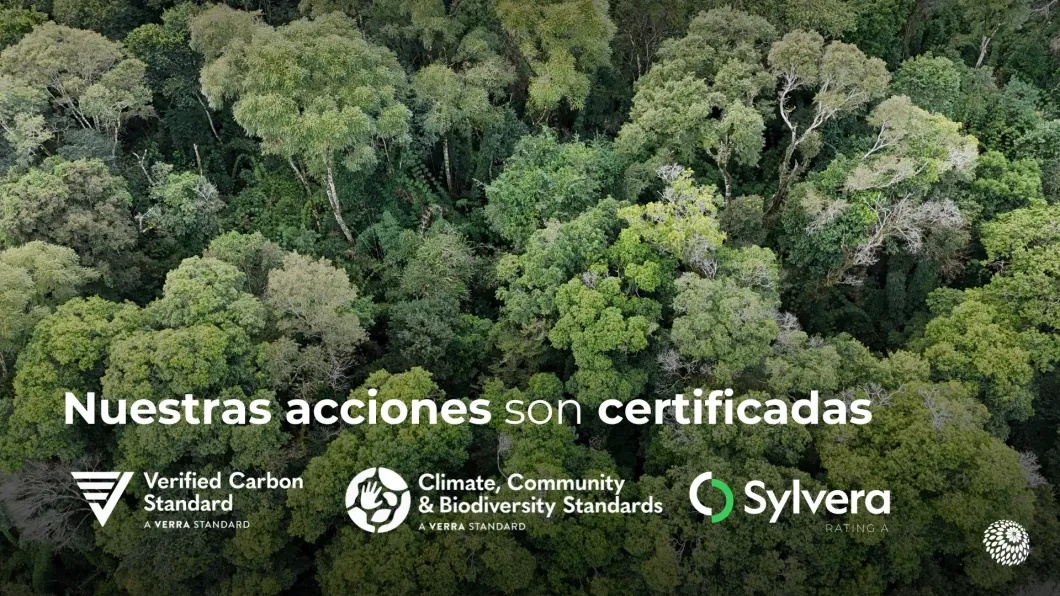
Nideport Achieves CCB Gold Certification and Earns an A Rating from Sylvera for Its Vida Nativa Project
Nideport’s Selva Paranaense Vida Nativa project achieved CCB Gold certification and earned an A Rating from Sylvera, positioning it among the highest-integrity forest projects globally in terms of climate, biodiversity, and social impact.